
Ashoka Fellows working in the field of disability
Since 1984, we have identified and supported more than 250 Ashoka Fellows driving change in the disability sector worldwide. Below is a list of our newest additions to our global network. You can also explore all our Ashoka Fellows Network using your prefered keyworks clicking the button below.

Crystal Chigbu
Nigeria
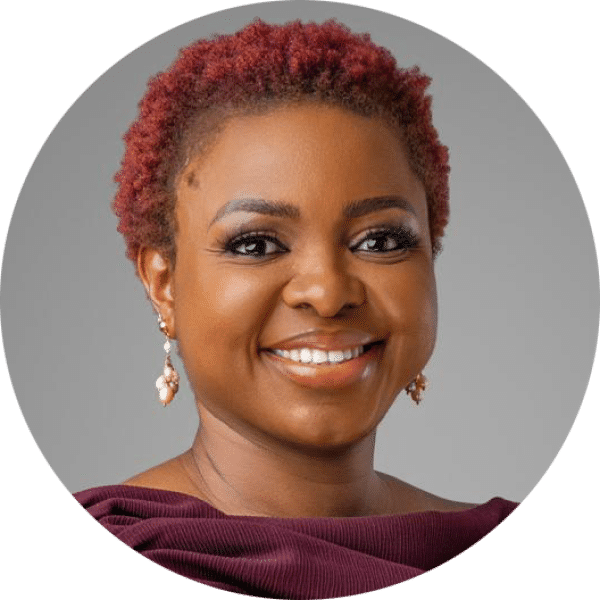
Crystal Chigbu
Crystal is reshaping how Nigerian society confronts childhood limb loss, dismantling the stigma and economic barriers that deny children timely medical care and prosthetics. Through The IREDE Foundation, she unites medical referrals, peer support, and policy advocacy into a national model that ensures every child is rehabilitated and celebrated, not hidden away.

Olusola Owonikoko
Nigeria
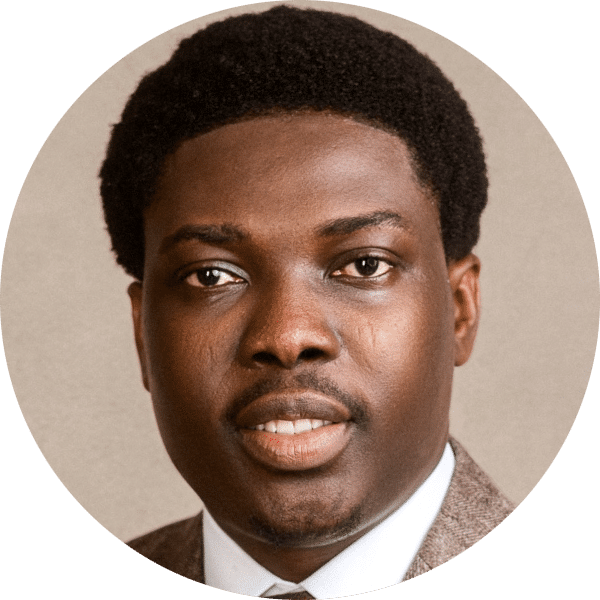
Olusola Owonikoko
With Project Enable Africa, Olusola is pursuing a vision of transforming the reality for persons with disabilities in Nigeria, dismantling the social, institutional, and economic barriers that marginalize them. He is shifting people from disabilities from mere beneficiaries into active change agents, helping companies become more inclusive while expanding access to assistive technologies.

Çiğdem Aslantaş
Turkey
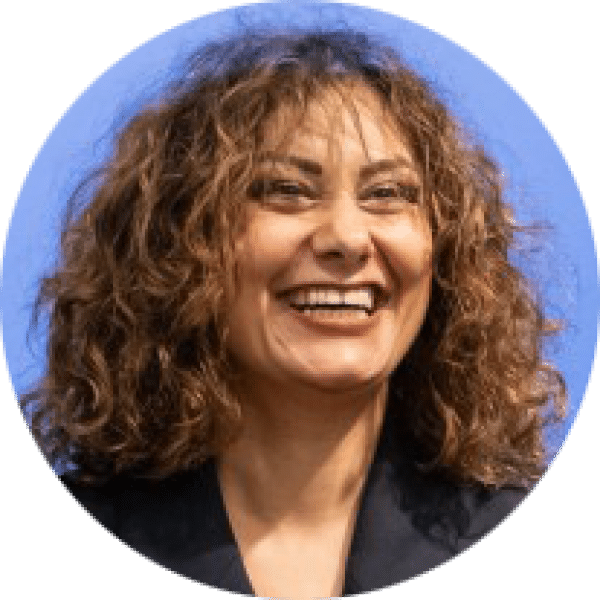
Çiğdem Aslantaş
Museums in Turkey remain inaccessible to many, and Çiğdem Aslantaş is changing that by turning them into inclusive learning spaces for all. Her Bongo Art Project tackles the physical, cognitive, and attitudinal barriers that exclude people with disabilities and other disadvantaged groups, making accessibility the norm and museum staff co-creators of that change.

Prachi Deo
India
Prachi Deo
Prachi founded Nayi Disha with the vision of transforming the ecosystem of care for children and young adults with intellectual developmental disabilities by positioning families as the primary drivers of change. She is shifting societal mindsets to recognize parents and caregivers not just as supporters but as key change agents in their children’s lives.

Tobias Polsfuß
Germany
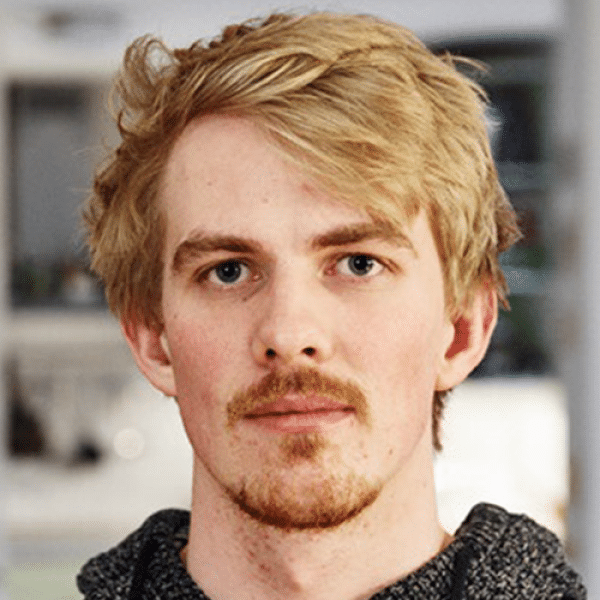
Tobias Polsfuß
In Germany, the traditional model of care and housing does not allow for disabled people (especially with intellectual disabilities) to make their own choices and keeps them isolated from other citizens. Tobias is breaking this model by connecting the dots between inclusive housing initiatives and the larger ecosystem to make inclusive housing in the form of mixed-abled flat/house sharing a nationally recognized alternative. Through this he is establishing a care system based on self-determination and eye-level relationships.

Lisette Reuter
Germany
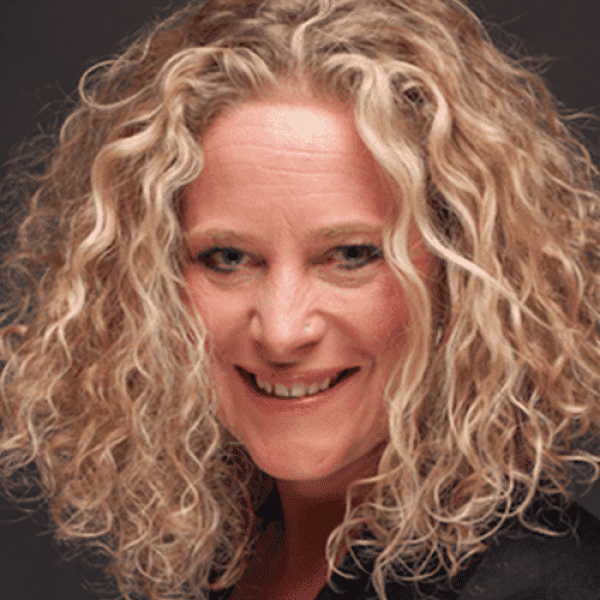
Lisette Reuter
While cultural participation is a human right, society has failed to make it widely accessible. Understanding that inclusion is broadly perceived as complicated and costly to achieve, Lisette sets out to change the practice of key stakeholders in the cultural sector, build an inclusive network with them and leverages that through changing funding frameworks in the political system.

Martino Corazza
Italy
Martino Corazza
Martino is reshaping global sport and society through the Mixed Ability Sports model, a transformative, community-driven approach that integrates disabled and non-disabled individuals as equals in grassroots clubs—challenging exclusionary systems, shifting cultural perceptions of disability, and fostering long-term inclusivity, equity, and social change.

Josep Vergés
Spain
Josep Vergés
Josep has built a pioneering, global, sustainable model in the health system for chronic conditions through a patient-centered approach, which is paving the way for a healthier, lifelong contributing society.

Valentina Perniciaro
Italy
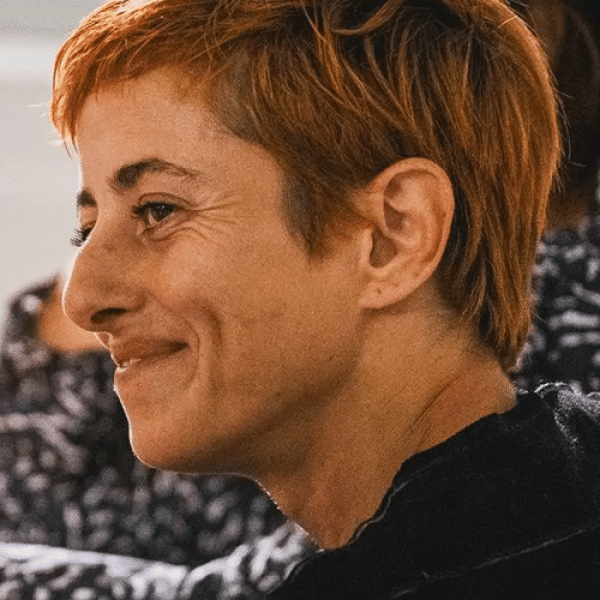
Valentina Perniciaro
Valentina is helping society - especially non-disabled people - reimagine inclusion and the full participation of people with disabilities. She transforms lived experience into collective advocacy, demanding dignity over pity and belonging over barriers. Her work affirms the right to live fully - with risk, joy, and autonomy, and to receive care with respect. She reframes public space as a shared, accessible environment and recognizes caregivers as key to social equity. For Valentina, accessibility is not optional, it’s a right, and she’s working to make it universal.

Carolina Videira
Brazil
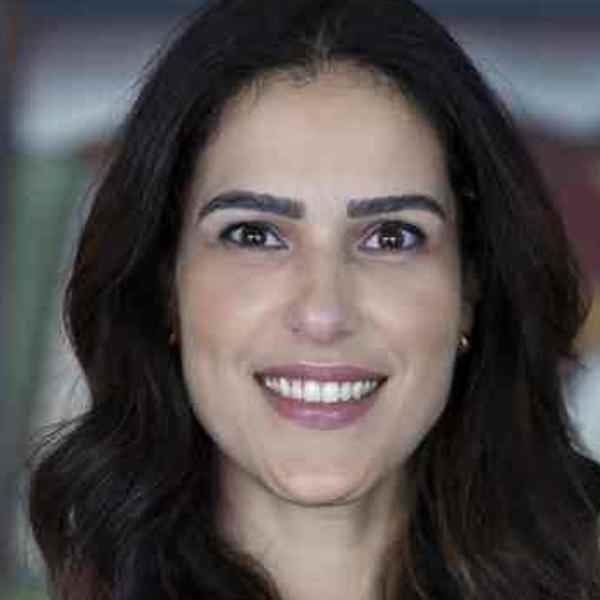
Carolina Videira
Carola is making inclusive education a reality by connecting schools, communities and the private sector in this joint effort. By developing practical strategies to incorporate empathy into schools, she is building an education system that benefits everyone.

Micaela Connery
United States
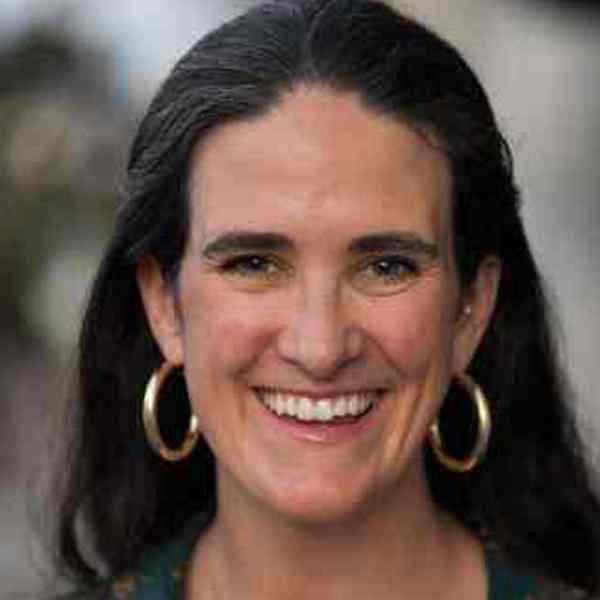
Micaela Connery
Micaela Connery is advancing disability-forward housing solutions that open doors to more affordable homes and opportunities for everyone. Uniquely positioned as both a housing developer and advocate, she is meeting immediate housing needs, moving an entire field forward, and proving that accessible, affordable, and inclusive housing is attainable.

Nancy Maina
Kenya
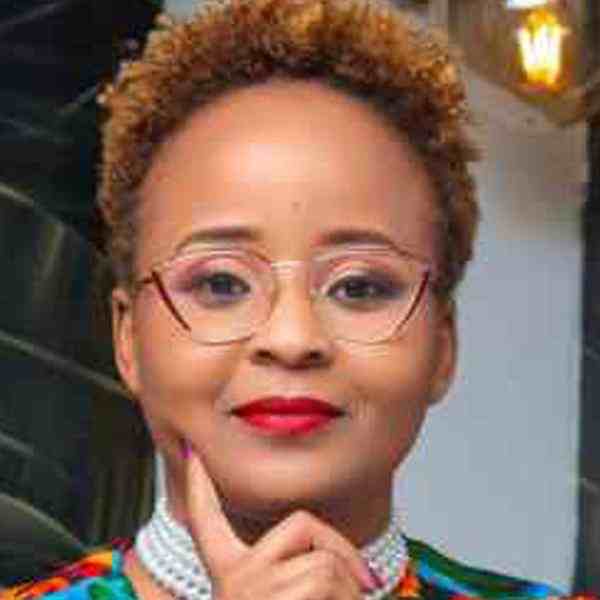
Nancy Maina
For deaf children to practice and master social and emotional skills, they need to have their parents and caregivers acquire a common language that they can share and learn together from the deaf child’s birth. Nancy has created a first-of-its-kind approach to addressing this problem in East and Central Africa with the endorsement of the largest children’s hospital in East and Central Africa.

José Soares
Portugal
José Soares
José is creating a mindset shift in the sports industry by positioning people with disabilities as an economic and innovation opportunity, activating a global movement of functionally diverse entrepreneurs and decision-makers.

Olga Ślepowrońska
Poland
Olga Ślepowrońska
The lives of caregivers of persons with disabilities have been reduced to helping others, and their own needs and potential have been dismissed. Olga created a national network of support for caregivers to back them up and free their potential.

Ewa Furgał
Poland
Ewa Furgał
There is a widespread belief that men are more likely to be on the autism spectrum. However, in Poland alone, there are 500K women and non-binary people late-diagnosed or not to be diagnosed at all on the autism spectrum. Ewa opens a spectrum of possibilities for diagnosis and full life for girls and LGBT+ people on the autism spectrum.

Marta Perez
Spain
Marta Perez
Marta is creating a new architecture in the Spanish health system positioning inclusive sports as an essential right of all patients with acquired brain injury (ABI), significantly improving their quality of life, and shifting their role from lifelong patients to active citizens.

Roberval Tavares
Costa Rica
Roberval Tavares
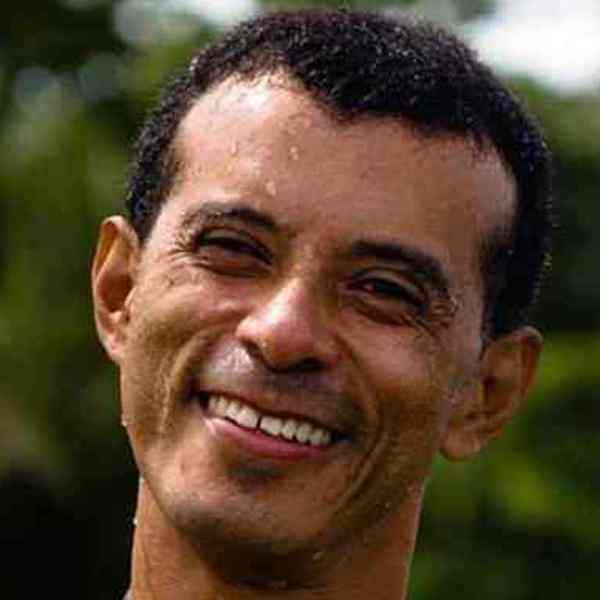
Roberval is changing mindsets around disability and building the infrastructure in Latin America to make natural spaces accessible to all. He collaborates with the public and business sectors to ensure that tourism destinations are fully accessible, while building capacity at the community level to receive visitors so that the new market contributes to local development. By bringing more people with disabilities outdoors, Roberval is challenging perceptions of what they can and cannot do.

Celmira Macedo
Portugal
Celmira Macedo
Celmira is raising a generation of children who are more empathic and inclusive, through a universal learning methodology which radically changes the way all children learn to read, write, or communicate, regardless of special needs or disabilities.

Gregoire Ahongbonon
Ivory Coast
Gregoire Ahongbonon
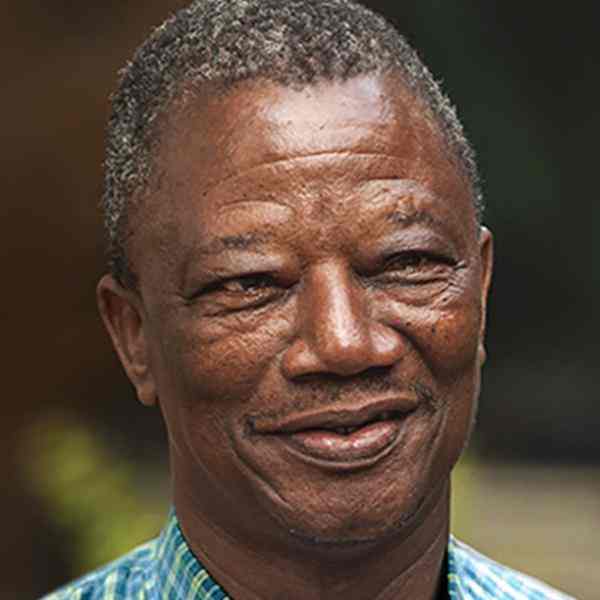
For over 30 years, Grégoire Ahongbonon, a former mechanic from Benin, has developed a new broad-spread system that spots, helps, and re-integrates the ten percent of the population suffering from a mental illness. From being stigmatized and isolated, they can recover their dignity and reclaim their lives. Rejected and forgotten, many people with treatable illnesses like epilepsy, bipolar disorder, schizophrenia, and even depression end up chained to trees or in their homes, or are left to wander the streets, without proper clothes, searching for food in the trash.

José de Jesús Sánchez
Mexico
José de Jesús Sánchez
José de Jesus is architecting the pre-conditions for the empowerment for people with disabilities, putting interconnected systems in place that allow them to live independent, purposeful lives that in turn inspire and pave the way for others. Through Juntos, José supports people with disabilities to develop their leadership skills, while also creating an enabling environment by engaging families, communities, and the private and public sectors to ensure effective inclusion at all levels.

Lizzie Kiama
Kenya
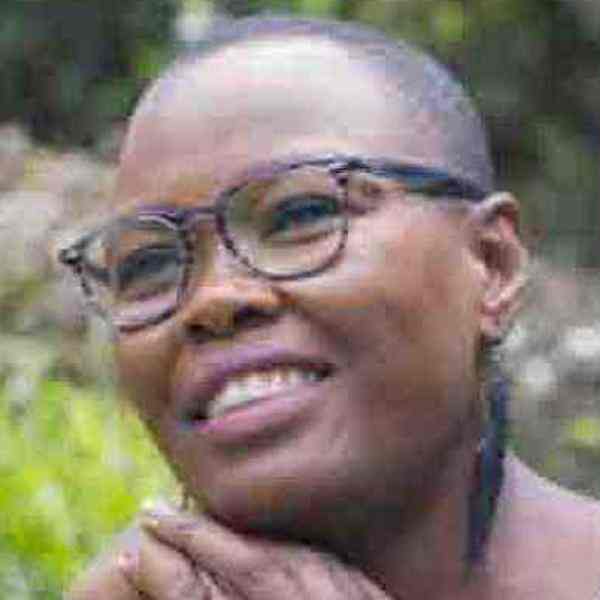
Lizzie Kiama
In a country where the persistence of lingering stigma about persons with disabilities impacts far too many, their rights are still a long way from where they should be. Lizzie dedicated the past decade to understanding the negativity around the term “disable” and after years of exploration, she finally found the specific intersection where she could bring significant change in the world. Lizzie is amplifying the voices, building capacity, and creating visibility for women and girls with disabilities across Kenya and beyond.

Fran Díaz
Spain
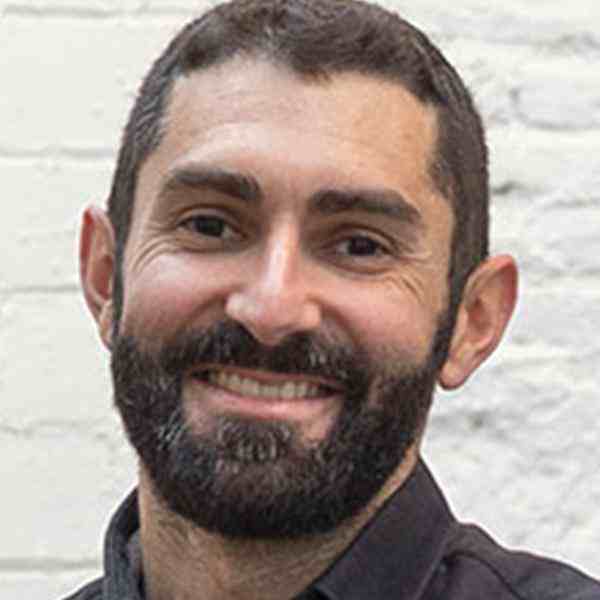
Fran Díaz
Fran is empowering every child in the world in need of protheses and orthopedic supports to become the protagonist in the identification of their needs and the design of their solutions supported by a multidisciplinary community.

Jane Waithera
Kenya
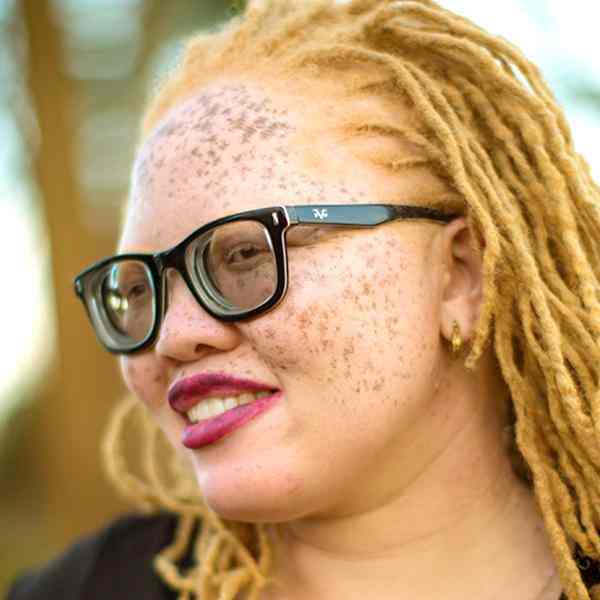
Jane Waithera
Jane has made the de-stigmatization and advancement of people living with albinism a national policy priority for Kenya. With the explicit endorsement of the African Union, it has become an urgent policy priority for all the member states. Her latest innovation, “Albinism and I”, is an online initiative to be rolled out in 2024 with the goal of creating and linking communities of support for people living with albinism across Africa as well as extending to other regions of the world.

Jeesun Lee
South Korea
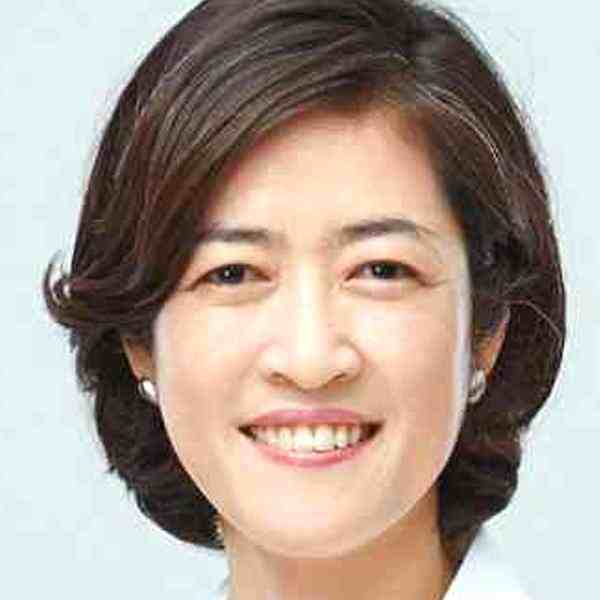
Jeesun Lee
Due to the lack of rehabilitation medical service and delivery systems in conventional hospitals, patients had to go from one hospital to another, living a life of “rehabilitation refugee” who become further alienated from the rest of society. Jeesun Lee has broken new grounds in a conventional hospital system by establishing a Community Based Rehabilitation (CBR) service focused on patients with disabilities, especially among children and adolescents, and seeking ways to spread her model through various financial and administrative means.

Jenny Lindström Beijar
Sweden
Jenny Lindström Beijar
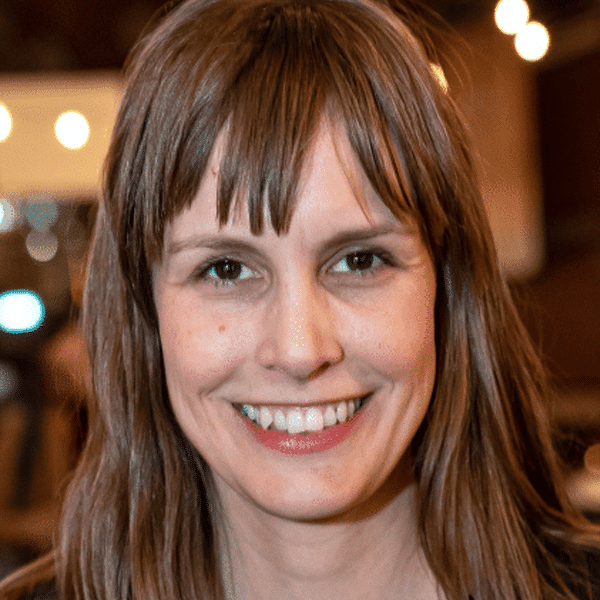
Challenging the sense of isolation that families with children with diverse abilities too often feel due to silos built by specific medical diagnoses and traditional advocacy, Jenny Lindström-Beijar has designed a new methodology to enable these families to celebrate their identities, build friendship networks, and exercise their sense of agency to model and scale a more inclusive understanding of ‘normal’ in neighborhoods and businesses across Sweden.
Key patterns and strategies from Ashoka Fellows
The analysis of Ashoka Fellows in the context of disability inclusion demonstrates a significant evolution, moving away from traditional service models that often focus on short-term solutions. Instead, the focus is shifting toward systemic change, which encompasses a comprehensive approach to creating long-lasting, structural improvements.
Key areas of transformation include the promotion of employment opportunities, the integration of market-driven strategies, and fostering a broader cultural transformation.
This shift signifies a deeper, more sustainable commitment to achieving unified societies, where people with disabilities are empowered to participate fully in all aspects of life.
From short-term to long-term
Rather than short-term job placements, initiatives like Action Network for the Disabled (Kenya) and Juntos (Mexico) equip individuals with leadership skills, fostering long-term workforce integration.
Accesibility as a business advantage
Market-driven approaches, such as Todo Accesible (Mexico) and Shonaquip (South Africa), reposition accessibility as a business advantage, ensuring financial sustainability alongside impact.
Cultural and public recognition strategies
Cultural and public recognition strategies, like Football for All (Portugal) and The Ability Awards (Ireland), expand opportunities and participation through sports and business incentives. Together, these approaches demonstrate that policy advocacy, economic incentives, and cultural shifts must align to create lasting, scalable change in accessibility and equal opportunities for people with disabilities.
Our learnings from Ashoka Fellows
Roughly a third of Ashoka’s Fellows in the disability space are people with disabilities themselves. The rest are often family advocates or other people who have developed a commitment to this sector. Solutions led by Fellows with disabilities come from a deeply informed perspective that is too often disregarded.
Our existing Fellows in the disability space focus on a variety of issues, including promoting community integration for people with disabilities, supporting people with disabilities to live more self-determined lives and become changemakers themselves, and ensuring access to such critical areas of life as education, employment, technology, housing, and play.
By working with Ashoka Fellows, we have learned many insights, including:
Inclusive Design Benefits Everyone
Centering the needs of the most impacted often results in a tide that lifts all boats and improves experiences for everyone.
Accessibility in Technology Matters
Technology that is hard to reach or use is a barrier in itself. Designing technology with accessibility in mind can dismantle systemic barriers for many.
The Power of Community
Community-building as a whole often responds to many of the challenges that people with – and without – disabilities face, including isolation or difficulty accessing support for independent living. By working together to share solutions, large and small, communities can create and access solutions together, designed with everyone in mind.
Supporting the Next Generation
It is important to engage and support young people, promoting and leading with empathy.
ASHOKA YOUNG CHANGEMAKERS MOBILIZING PEERS AND COMMUNITIES TOWARD A BARRIER-FREE EVERYONE A CHANGEMAKER WORLD
As we live in a world of accelerating change, volatility, hyperconnectivity, and complexity, Ashoka understands, based on patterns identified through the work and life journeys* of Ashoka Fellows, that if everyone felt confident and capable of creating positive change, we would live in a much more equitable, healthy, and happy world. This belief is the foundation of Ashoka's vision of building an Everyone a Changemaker movement.
With this vision in mind, since 2018, Ashoka has been identifying and welcoming into its community young people who have discovered their power to create positive change for the good of all. These young leaders are engaging their peers and communities to recognize that everyone is capable of addressing complex challenges and driving meaningful change.
Ashoka Young Changemakers are young people who have launched social initiatives, built peer-led teams, and created solutions for the good of all while inspiring others to join them.
To date, Ashoka has selected 244 Ashoka Young Changemakers from Bangladesh, Brazil, India, Indonesia, Nigeria, and the United States. Among them, 11 are actively mobilizing their peers and communities toward a barrier-free Everyone a Changemaker world.

Ade P.
Indonesia
Ade P.
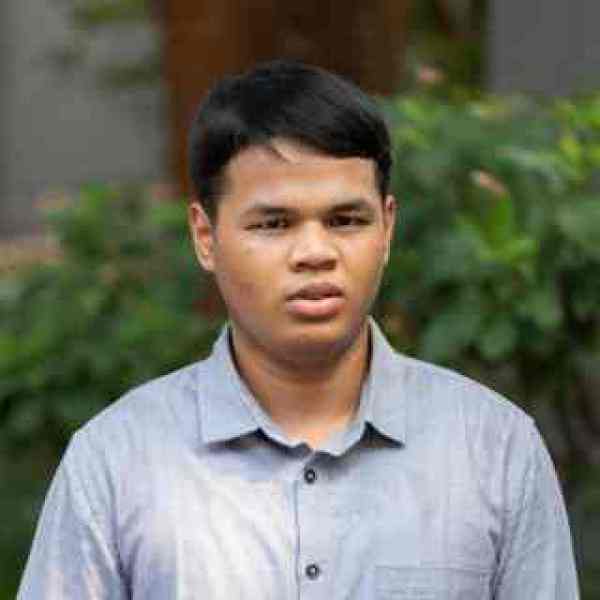
Ade is improving literacy and confidence of the blind community through Braille Quran classes.

Adhara
Brazil
Adhara
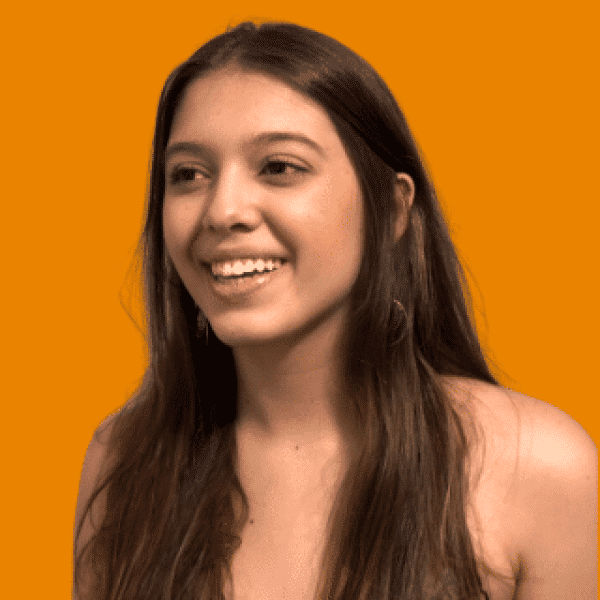
Moved by the people with disabilities around her, Adhara co-founded the Keller Project to promote the inclusion of this community in various spaces.

Esthefany
Brazil
Esthefany
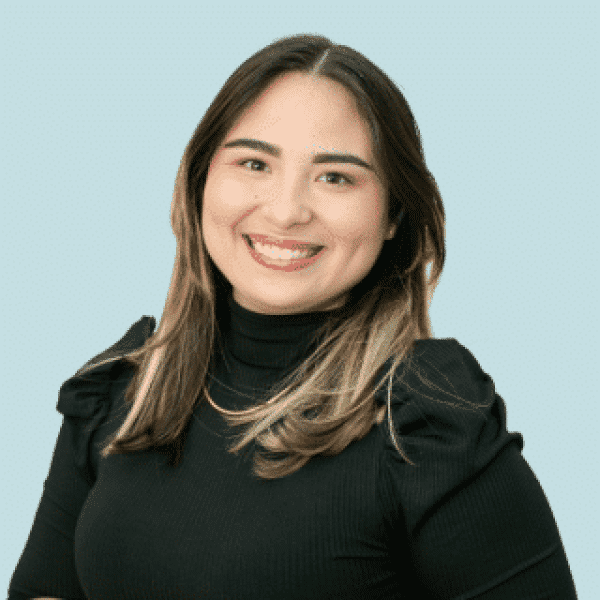
Combining technology and inclusion, Esthefany develops the project “Linguistic Accessibility in Public Transportation".

Febriand V.
Indonesia
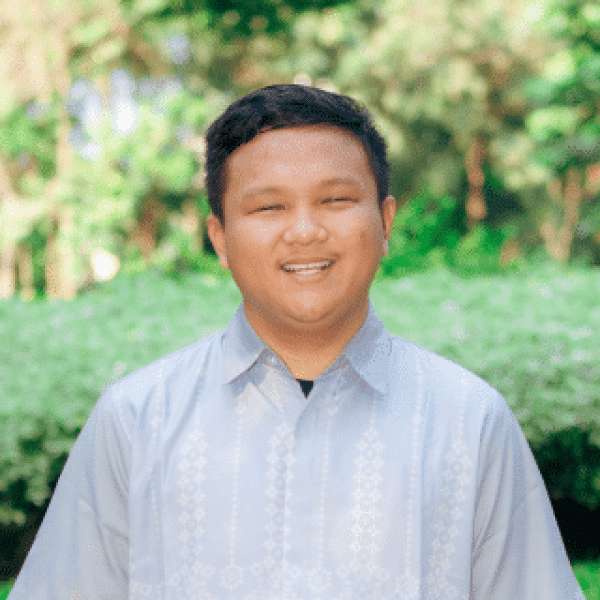
Febriand V.
Febriand is providing a platform to foster creativity, teamwork, and confidence for people with disabilities through film production and distribution.

Igor B.
Brazil
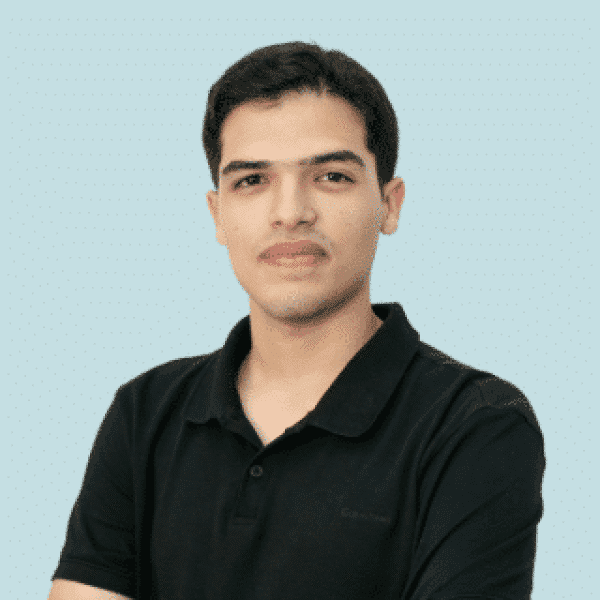
Igor B.
Leading Mãos Mágicas, Igor addresses the lack of access to Brazilian Sign Language (Libras) education among children in both public and private schools.

Josh K.
United States
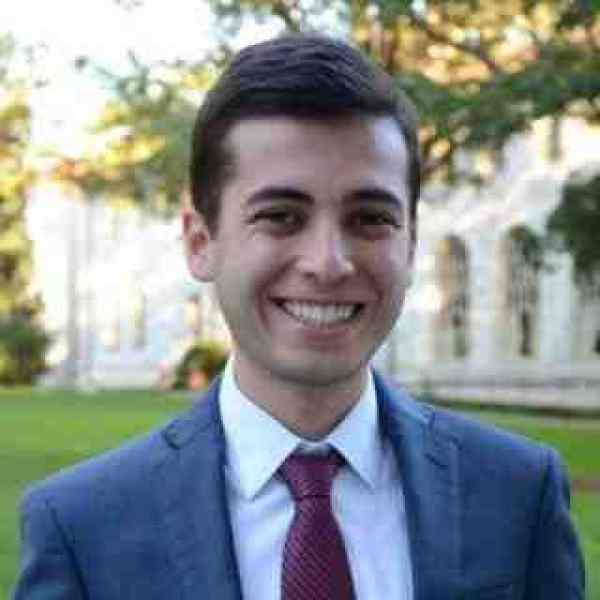
Josh K.
After meeting a friend’s brother who loved to play soccer but was excluded from the team because he has Down Syndrome, Josh became determined to find a way through changemaking.

Maria Eduarda
Brazil
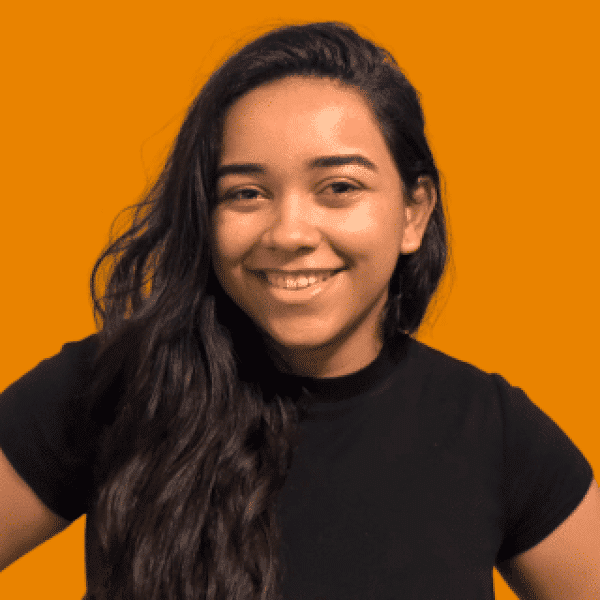
Maria Eduarda
Maria Eduarda is working towards including people with disabilities in extracurricular activities.

Meghana G.
United States
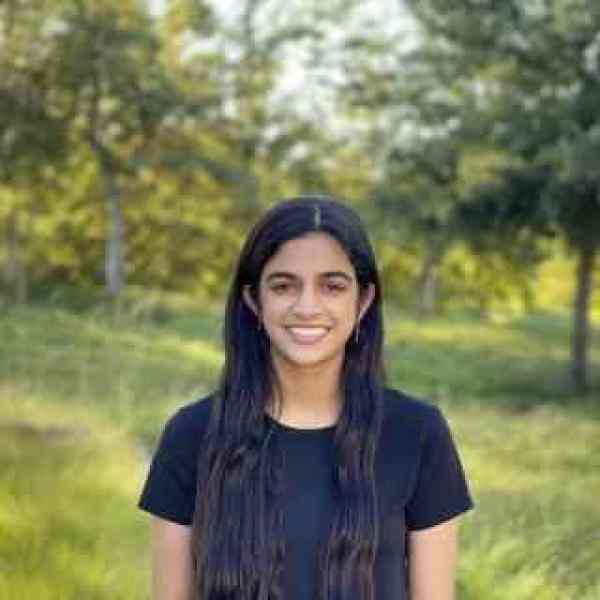
Meghana G.
Meghana is the founder of Neurodiversity Horizons, an organization working to increase public accommodation and awareness for neurodiverse people.

Sarah H.
United States
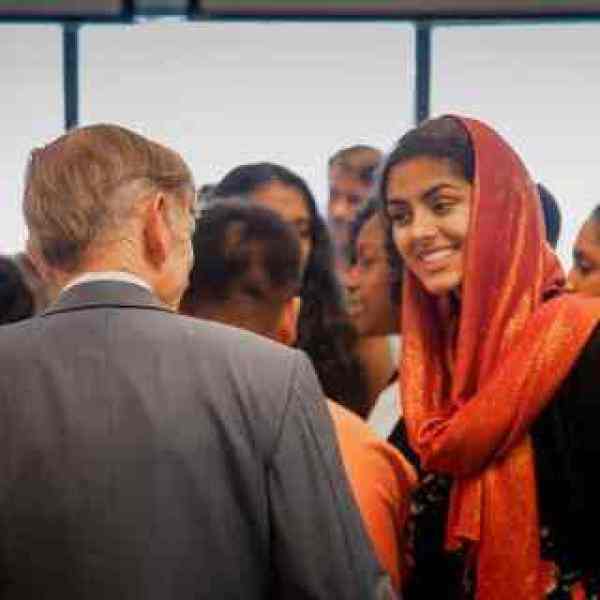
Sarah H.
Sarah and her team did not just start a club, they started a movement - a movement to change how her peers think about and interact with students with intellectual disabilities.

Victor Eyo
Nigeria
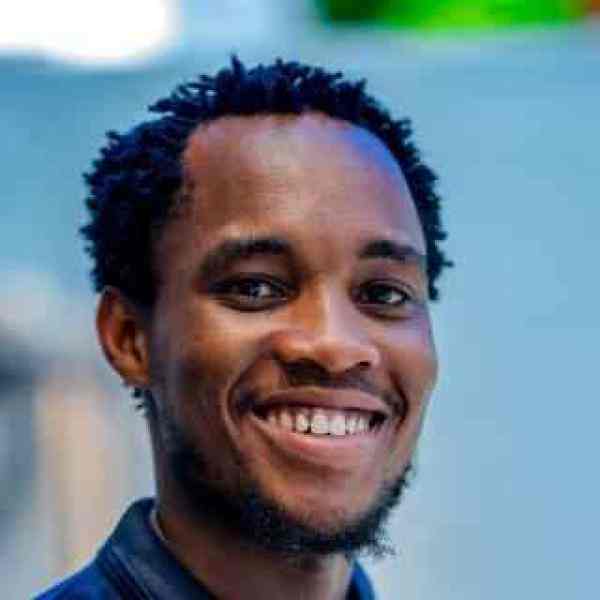
Victor Eyo
Victor Eyo is ensuring access to digital skills training for other young Africans, especially those that are from marginalized communities, living with disability, displaced or from less privileged backgrounds.
Profile link

Yugo S.
Indonesia
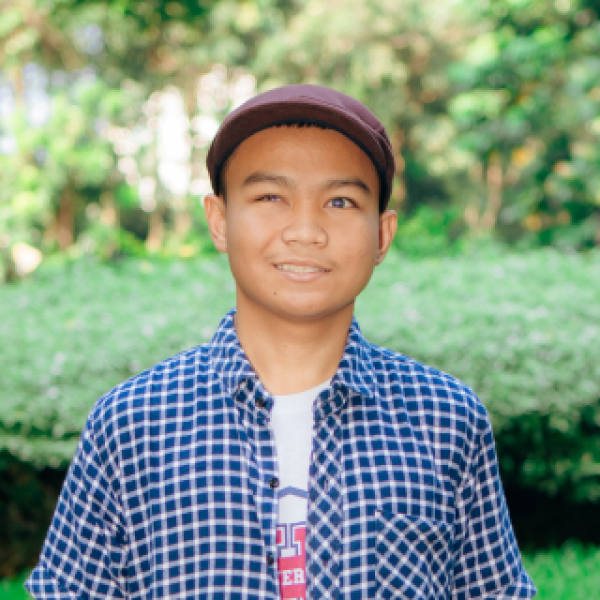
Yugo S.
Yugo is organizing digital literacy training for visually impaired individuals.