Changemaking Without Barriers
According to the World Health Organization, an estimated 1.3 billion people, approximately 16% of the world's population, live with a significant disability today.
That number is expected to grow. As the WHO's World Report on Disability documents, population ageing and longer life expectancy, combined with a global rise in chronic health conditions associated with disability, including diabetes, cardiovascular disease, and mental health conditions, as well as environmental factors such as road traffic injuries, natural disasters, and conflict, mean that disability will affect an ever-growing share of humanity.
So the question becomes: how do we build a fully accessible world, one where every person, regardless of how their body or brain is wired, can exercise their rights, enjoy a high quality of life, and exercise agency and autonomy over their own lives?

Our mission
Ashoka identifies and supports the world's leading social entrepreneurs, learning from patterns in their innovations to mobilize a global community building an "everyone a changemaker" world. As the pioneer of social entrepreneurship for over 45 years, Ashoka has consistently turned groundbreaking ideas into new societal norms that benefit everyone.
The Ashoka Fellowship spans more than 4,000 leading social entrepreneurs across 90+ countries. Of these, more than 250 Fellows are mapped as working specifically on accessibility and the agency of people with disabilities, and nearly 30% of them self-identify as living with a disability themselves. The rest are largely proximate leaders: family members, caregivers, and allies who live closest to the problems they're solving.
We want more of these proximate leaders, innovators who know and live the challenges they address, because they are the ones best positioned to help us co-create the narratives and architectures this new paradigm requires.

The change is urgent, and it's happening
Despite being one of the largest population groups in the world, people with disabilities are routinely overlooked, and barriers continue to limit their full participation in society. They face systemic, intersectional barriers that cut across every domain of life — water and sanitation, health care, education, employment, food security, income, mental health, and community life.
A just, equal, poverty-free world is only possible if it is also an accessible one. We are working toward an Everyone a Changemaker world, one where every person recognizes their own power to contribute to the common good, and where that world is barrier-free by design.
We believe today's inequalities are the consequence of a false belief: that disability itself disqualifies someone from agency and decision-making,that people with disabilities are best served when segregated from mainstream society or are inherently dependent, and that non-disabled bodies and minds are somehow superior. That is why we are working to fundamentally reframe the biases, architectures, mindsets, and relationships that societies hold toward disability.

Our community of more than 250 Ashoka Fellows is innovating systemic solutions to these interconnected challenges:
Employability
The UN Disability and Development Report (2024) found that only 27% of people with disabilities are employed globally, compared to 56% of people without disabilities.
- Alina Alam (India, Ashoka Fellow since 2026): Her Mitti Café network places people with disabilities in cafés inside high-visibility locations like India's Supreme Court and major airports, employing 600+ people across 64 outlets in 8 countries and reshaping public perception one everyday interaction at a time.
- José de Jesús Sánchez (Mexico, Ashoka Fellow since 2023): His organization Juntos has placed 650 people with disabilities in formal jobs across 13 Mexican states, alongside a rural microentrepreneurship program that helped its first cohort of 85 women with disabilities and caregivers launch 12 businesses.
- Jonas Staub (Switzerland, Ashoka Fellow since 2018): Rather than building segregated programs, his organization Blindspot creates mainstream activities so genuinely appealing that inclusion happens organically, from 200+ inclusive youth camps to an inclusive restaurant, Provisorium46, that has become a model for corporate hiring.
Food security, hunger, and basic needs
The same UN report found that 55% of people with disabilities report not having enough food to eat.
- Olga Ślepowrońska (Poland, Ashoka Fellow since 2023): Her organization Mudita supports family caregivers of people with disabilities, up to 29% of these families cannot afford fresh food. Its "Power Meals" program delivers fresh groceries to homebound families, paired with psychological support and advocacy for more dignified social benefits.
- Susan Sygall (United States, Ashoka Fellow since 2013): Through Mobility International USA, she has spent decades embedding disability inclusion into mainstream development programs — including food security and livelihoods initiatives run by more than 190 partner organizations.
Education
Per the same source, 11% of primary-school-age children with disabilities are out of school, a figure that rises to 32% by upper-secondary age.
- Carolina Videira (Brazil, Ashoka Fellow since 2023): Her organization Turma do Jiló trains teachers in neuroscience-based pedagogy and builds student agency; in Santana de Parnaíba, the program cut school dropout from 37.5% to 0.5% across 10,000 students.
- Nureddin Amro (Palestine, Ashoka Fellow since 2012): He founded Siraj al-Quds, where blind and sighted children learn side by side, taught by both blind and sighted teachers; the model has since been adopted by a third of Palestinian schools with EU financing.
- Liliana Mayo (Peru, Ashoka Fellow since 2005): Her Centro Ann Sullivan del Perú serves 350 students with autism, Down syndrome, and intellectual disabilities, from early childhood through supported employment, a model now replicated by eight institutions across Brazil, Argentina, Chile, and Spain.
Gender-based discrimination and violence
The UN report also found that 8% of women with disabilities report discrimination because of their disability, 13% have experienced sexual violence, and 7% of girls with disabilities aged 15–18 are or have been married.
- Lizzie Kiama (Kenya, Ashoka Fellow since 2025): Her organization This-Ability trains women with disabilities as community leaders, "Mama Siris", who have reached over 30,000 women and girls across 12 Kenyan counties with sexual health, gender-based violence, and rights support.
- Ola Abú Al Ghaib (Palestine, Ashoka Fellow since 2007): She founded Stars of Hope Society, the first organization in the Arab world led by women with disabilities, pairing policy advocacy with direct psychological counseling and rehabilitation services.
- Ewa Furgał (Poland, Ashoka Fellow since 2022): She founded Poland's first self-advocacy organization for women and non-binary autistic people, whose diagnoses are routinely missed because of gender bias built into medical assessment tools.
Inequality, autonomy, and decision-making
Only 34% of people with disabilities report being able to make decisions about their own daily life, where and with whom to live, how to spend their own money.
- Walburga Fröhlich (Austria, Ashoka Fellow since 2014): She trains people with severe intellectual disabilities to become evaluators of their own care services, turning them from passive recipients into the experts who define what quality care looks like.
- Klaus Candussi (Austria, Ashoka Fellow since 2014) — Walburga's partner at Atempo, he built a public platform rating 658 service providers by the people who use them, creating market pressure toward more autonomy-centered institutions.
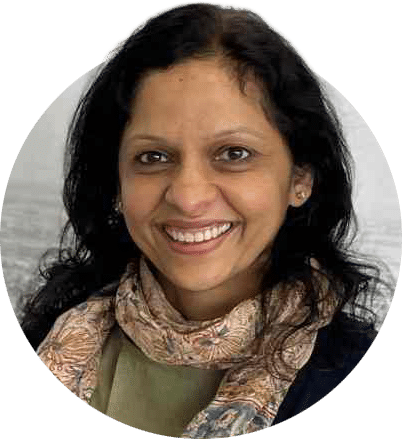
Prachi Deo
Prachi founded Nayi Disha with the vision of transforming the ecosystem of care for children and young adults with intellectual developmental disabilities by positioning families as the primary drivers of change. She is shifting societal mindsets to recognize parents and caregivers not just as supporters but as key change agents in their children's lives.
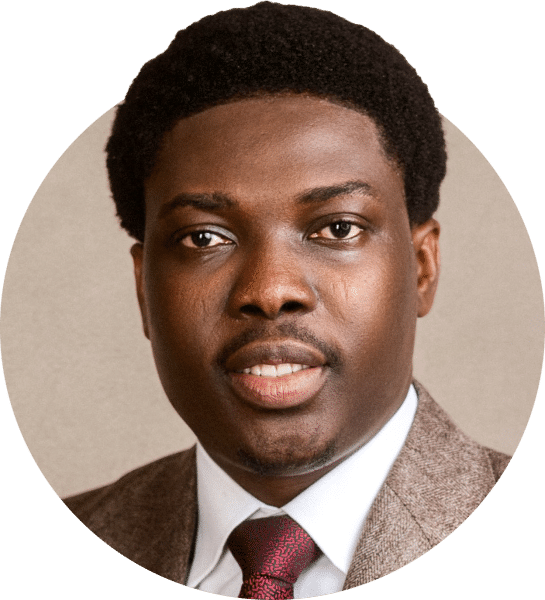
Olusola Owonikoko
With Project Enable Africa, Olusola is pursuing a vision of transforming the reality for persons with disabilities in Nigeria, dismantling the social, institutional, and economic barriers that marginalize them. He is shifting people from disabilities from mere beneficiaries into active change agents, helping companies become more inclusive while expanding access to assistive technologies.
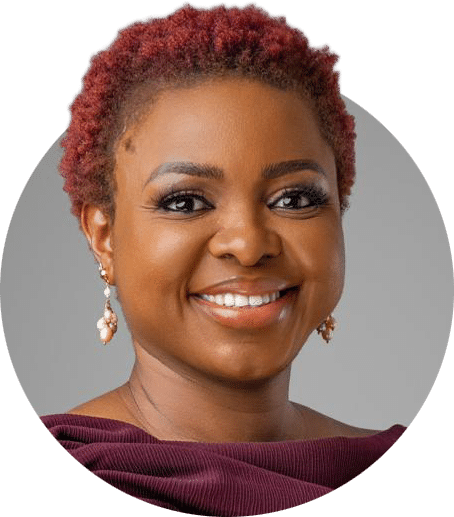
Crystal Chigbu
Crystal is reshaping how Nigerian society confronts childhood limb loss, dismantling the stigma and economic barriers that deny children timely medical care and prosthetics. Through The IREDE Foundation, she unites medical referrals, peer support, and policy advocacy into a national model that ensures every child is rehabilitated and celebrated, not hidden away.
Çiğdem Aslantaş
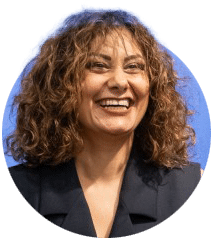
Museums in Turkey remain inaccessible to many, and Çiğdem Aslantaş is changing that by turning them into inclusive learning spaces for all. Her Bongo Art Project tackles the physical, cognitive, and attitudinal barriers that exclude people with disabilities and other disadvantaged groups, making accessibility the norm and museum staff co-creators of that change.
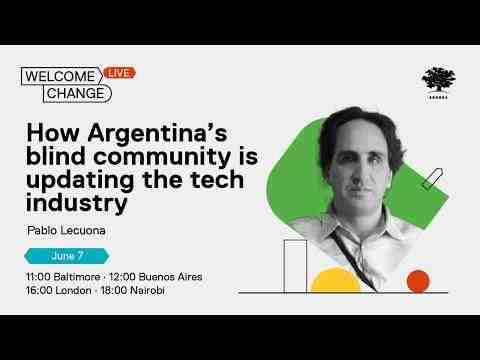
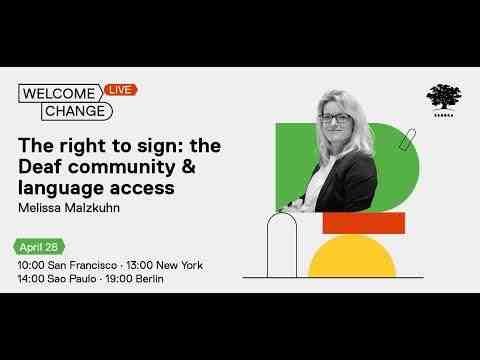
Learn from Fellows in the disability field
The Ashoka Community
Ashoka has more than 250 Ashoka Fellows and more than 10 Ashoka Young Changemakers working across different sectors to build a barrier-free Everyone a Changemaker world.

The patterns we're seeing toward a barrier-free paradigm
In 2026, Ashoka, in partnership with The Seneca Trust, published "Changemaking Without Barriers: Ashoka's Insights in the Field of Disabilities," mapping 252 Fellows in this space and identifying both the patterns pointing toward a more accessible world and the gaps still left to close.

Our Partners